

How to Build a Strong Creative Brief for Your Video Project
How to Build a Strong Creative Brief for Your Video Project
A successful commercial video doesn’t start on set — it starts with a strong creative brief.
The creative brief acts as the blueprint for the entire project, aligning strategy, messaging, visuals, and expectations before production begins.
What Is a Creative Brief?
A creative brief is a strategic document that outlines the purpose, direction, and requirements of a video project. It ensures that everyone involved is working toward the same goal.
The Five Core Elements of a Strong Creative Brief
1. Define the Goal
What is the purpose of the video?
Is it brand awareness, product launch, recruitment, or conversion?
Clear goals shape every creative decision.
2. Identify the Target Audience
Avoid vague definitions. A strong brief defines:
Who the audience is
What they care about
What problem the video solves
3. Clarify the Core Message
If the viewer remembers one thing, what should it be?
This message should remain consistent across visuals, tone, and storytelling.
4. Determine Distribution
Where the video will live impacts:
Length
Aspect ratio
Pacing
Visual style
Distribution should be defined early.
5. Define Success
Set expectations upfront. Success could mean:
Engagement
Conversions
Website traffic
Brand lift
Clear metrics create alignment.
Why Creative Briefs Matter
A strong creative brief saves time, reduces revisions, and improves results. It allows production teams to focus on execution instead of guesswork.

The Ultimate Guide to Commercial Video Production in 2026
The Ultimate Guide to Commercial Video Production in 2026
Introduction
Commercial video production continues to evolve. In 2026, brands must balance authenticity, strategy, and cinematic quality to stand out.
This guide covers trends, timelines, budgets, and best practices for modern video production.
Key Trends in 2026
Authentic, story-driven content
Real people and real environments
Long-form brand storytelling
Vertical and cinematic hybrid formats
Data-driven creative decisions
Growing demand for lifestyle and hospitality films
Typical Production Timeline
Most commercial projects follow a 4–8 week timeline:
Pre-Production: 1–2 weeks
Production: 1–3 days
Post-Production: 1–3 weeks
Timelines vary based on scope and deliverables.
Budget Expectations
In 2026, most commercial video projects range between $10,000–$60,000, depending on:
Crew size
Locations
Talent
Equipment
Deliverables
Higher investment often results in longer-lasting and more versatile content.
What Makes a Great Commercial Video
Great videos combine:
Clear strategy
Experienced creative teams
Strong execution
When these elements align, video becomes a powerful marketing asset.
Conclusion
Commercial video production is both an art and a process. With the right planning and the right partner, video content can drive real impact for your brand.

What Brands Should Know About Creative Direction
What Brands Should Know About Creative Direction
Introduction
Creative direction is often misunderstood. It’s not just about making things look good—it’s about ensuring visuals support strategy and brand identity.
What Is Creative Direction?
Creative direction aligns:
Visual style
Messaging
Tone
Storytelling
All with your brand’s goals.
It connects strategy with execution.
Consistency Builds Brand Recognition
Consistent creative direction helps audiences recognize and trust your brand.
This includes:
Color palettes
Shot style
Editing rhythm
Music choices
Consistency creates familiarity and credibility.
Creative Direction Saves Time and Money
Clear creative direction reduces:
Confusion on set
Unnecessary footage
Excessive revisions
When everyone is aligned, production becomes more efficient.
Strategic Creativity Delivers Results
A well-directed video doesn’t just look polished—it performs. It communicates clearly, resonates emotionally, and supports business objectives.
Final Takeaway
Investing in creative direction ensures your video content is purposeful, cohesive, and effective.
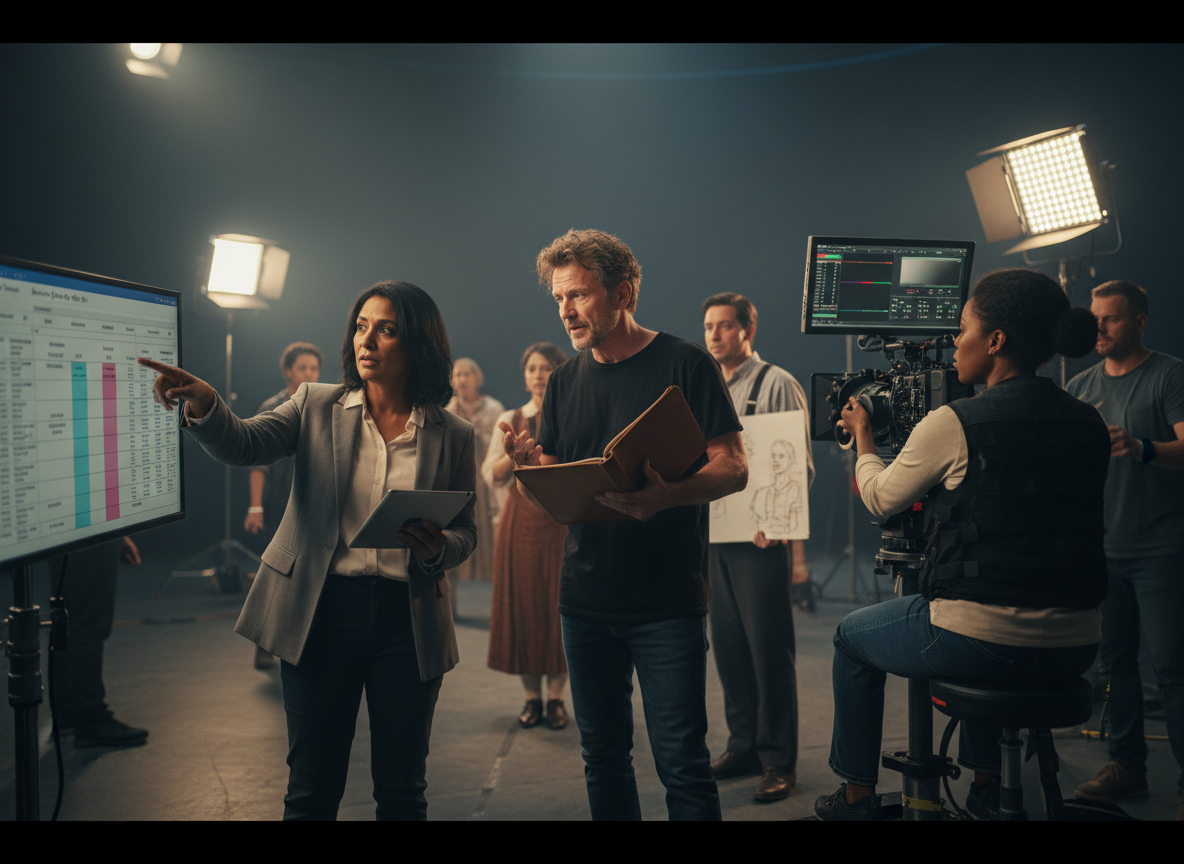
Producer vs Director vs DP: Understanding Key Roles in Video Production
Producer vs Director vs DP: Understanding Key Roles in Video Production
Introduction
Commercial video productions involve multiple creative and logistical roles. Three of the most important are the Producer, Director, and Director of Photography (DP).
Understanding the difference helps brands know who is responsible for what on set.
The Producer
The producer manages logistics and execution.
Responsibilities include:
Budget management
Scheduling
Crew coordination
Contracts and permits
Client communication
Problem-solving
Producers ensure the project runs smoothly from start to finish.
The Director
The director is responsible for creative vision and storytelling.
They oversee:
Tone and pacing
Performance and talent direction
Story structure
Creative decisions
The director ensures the video communicates the intended message effectively.
The Director of Photography (DP)
The DP handles the visual execution of the director’s vision.
This includes:
Lighting design
Camera movement
Lens selection
Framing and composition
Visual consistency
Every image you see on screen is shaped by the DP.
How These Roles Work Together
Strong collaboration between producer, director, and DP is essential. When these roles are clearly defined, productions stay organized, creative, and efficient.
Why This Matters for Brands
Knowing who does what helps brands communicate effectively and trust the process, resulting in better outcomes and fewer misunderstandings.