

The Ultimate Guide to Commercial Video Production in 2026
The Ultimate Guide to Commercial Video Production in 2026
Introduction
Commercial video production continues to evolve. In 2026, brands must balance authenticity, strategy, and cinematic quality to stand out.
This guide covers trends, timelines, budgets, and best practices for modern video production.
Key Trends in 2026
Authentic, story-driven content
Real people and real environments
Long-form brand storytelling
Vertical and cinematic hybrid formats
Data-driven creative decisions
Growing demand for lifestyle and hospitality films
Typical Production Timeline
Most commercial projects follow a 4–8 week timeline:
Pre-Production: 1–2 weeks
Production: 1–3 days
Post-Production: 1–3 weeks
Timelines vary based on scope and deliverables.
Budget Expectations
In 2026, most commercial video projects range between $10,000–$60,000, depending on:
Crew size
Locations
Talent
Equipment
Deliverables
Higher investment often results in longer-lasting and more versatile content.
What Makes a Great Commercial Video
Great videos combine:
Clear strategy
Experienced creative teams
Strong execution
When these elements align, video becomes a powerful marketing asset.
Conclusion
Commercial video production is both an art and a process. With the right planning and the right partner, video content can drive real impact for your brand.

What Brands Should Know About Creative Direction
What Brands Should Know About Creative Direction
Introduction
Creative direction is often misunderstood. It’s not just about making things look good—it’s about ensuring visuals support strategy and brand identity.
What Is Creative Direction?
Creative direction aligns:
Visual style
Messaging
Tone
Storytelling
All with your brand’s goals.
It connects strategy with execution.
Consistency Builds Brand Recognition
Consistent creative direction helps audiences recognize and trust your brand.
This includes:
Color palettes
Shot style
Editing rhythm
Music choices
Consistency creates familiarity and credibility.
Creative Direction Saves Time and Money
Clear creative direction reduces:
Confusion on set
Unnecessary footage
Excessive revisions
When everyone is aligned, production becomes more efficient.
Strategic Creativity Delivers Results
A well-directed video doesn’t just look polished—it performs. It communicates clearly, resonates emotionally, and supports business objectives.
Final Takeaway
Investing in creative direction ensures your video content is purposeful, cohesive, and effective.
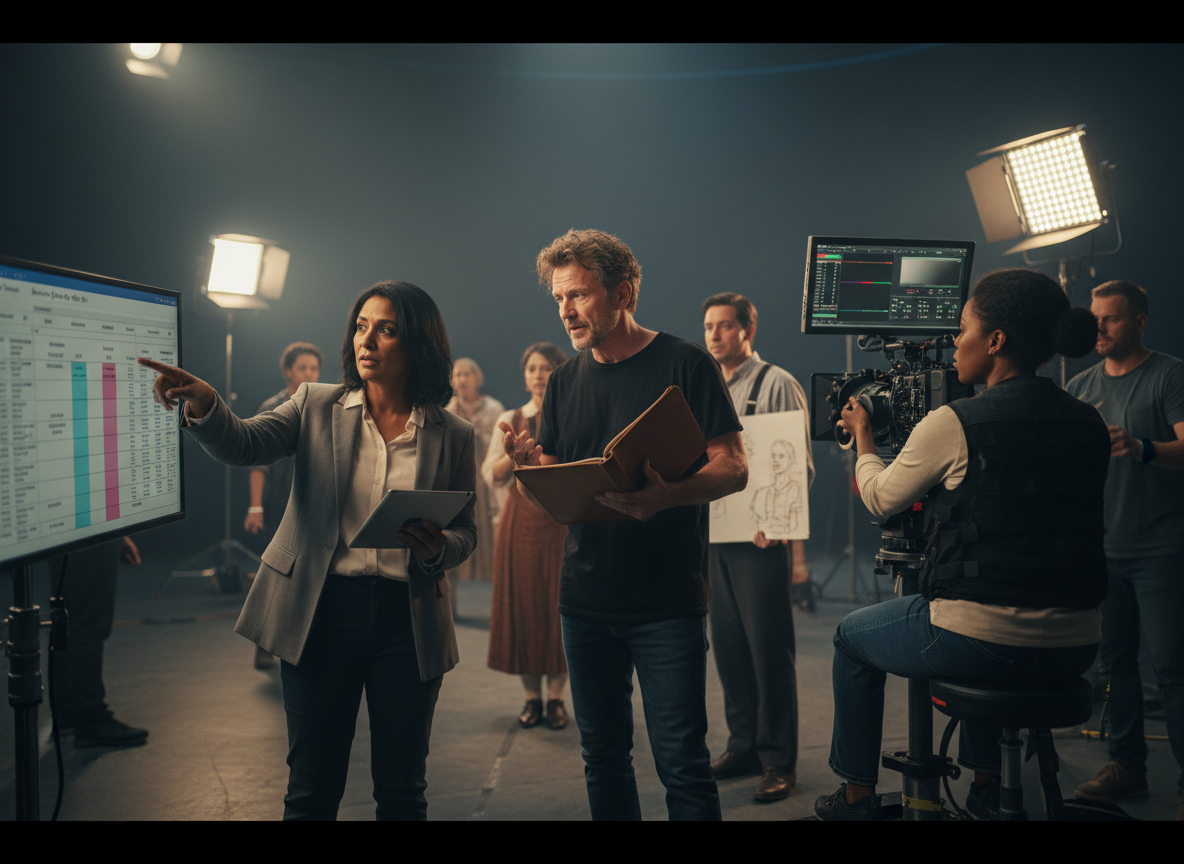
Producer vs Director vs DP: Understanding Key Roles in Video Production
Producer vs Director vs DP: Understanding Key Roles in Video Production
Introduction
Commercial video productions involve multiple creative and logistical roles. Three of the most important are the Producer, Director, and Director of Photography (DP).
Understanding the difference helps brands know who is responsible for what on set.
The Producer
The producer manages logistics and execution.
Responsibilities include:
Budget management
Scheduling
Crew coordination
Contracts and permits
Client communication
Problem-solving
Producers ensure the project runs smoothly from start to finish.
The Director
The director is responsible for creative vision and storytelling.
They oversee:
Tone and pacing
Performance and talent direction
Story structure
Creative decisions
The director ensures the video communicates the intended message effectively.
The Director of Photography (DP)
The DP handles the visual execution of the director’s vision.
This includes:
Lighting design
Camera movement
Lens selection
Framing and composition
Visual consistency
Every image you see on screen is shaped by the DP.
How These Roles Work Together
Strong collaboration between producer, director, and DP is essential. When these roles are clearly defined, productions stay organized, creative, and efficient.
Why This Matters for Brands
Knowing who does what helps brands communicate effectively and trust the process, resulting in better outcomes and fewer misunderstandings.

What Brands Should Know Before Hiring a Video Production Company
What Brands Should Know Before Hiring a Video Production Company
Introduction
Hiring a video production company is a major investment, and choosing the right partner can determine whether your project succeeds or falls flat.
Before you sign a contract, here are five key things every brand should understand.
1. Define Your Goal First
Every video should serve a purpose. Before discussing cameras or visuals, define what success looks like.
Common goals include:
Increasing brand awareness
Driving sales or conversions
Educating customers
Recruiting talent
Telling a brand story
Clear goals allow a production team to design creative that supports real business outcomes.
2. Know Your Audience
Your audience determines everything from tone to pacing to casting.
Ask yourself:
Who is this video for?
What problem are they trying to solve?
How should they feel after watching?
Strong audience clarity leads to more effective storytelling.
3. Trust the Creative Process
Professional production teams bring experience, strategy, and creative insight. Trusting their process allows them to deliver the strongest possible result.
Collaboration works best when there is mutual respect and open communication.
4. Quality Is an Investment
High-quality video content performs better, lasts longer, and reflects positively on your brand.
While lower-cost options may seem attractive upfront, poorly executed video often leads to reshoots, revisions, or underperforming content.
5. Choose a Partner, Not Just a Portfolio
Beyond visuals, look for a team that understands your brand, communicates clearly, and aligns with your values.
Long-term partnerships consistently produce better results than one-off transactions.
Final Thoughts
Hiring the right video production company sets the foundation for long-term visual consistency and brand growth. Choose wisely, plan strategically, and invest in quality.